

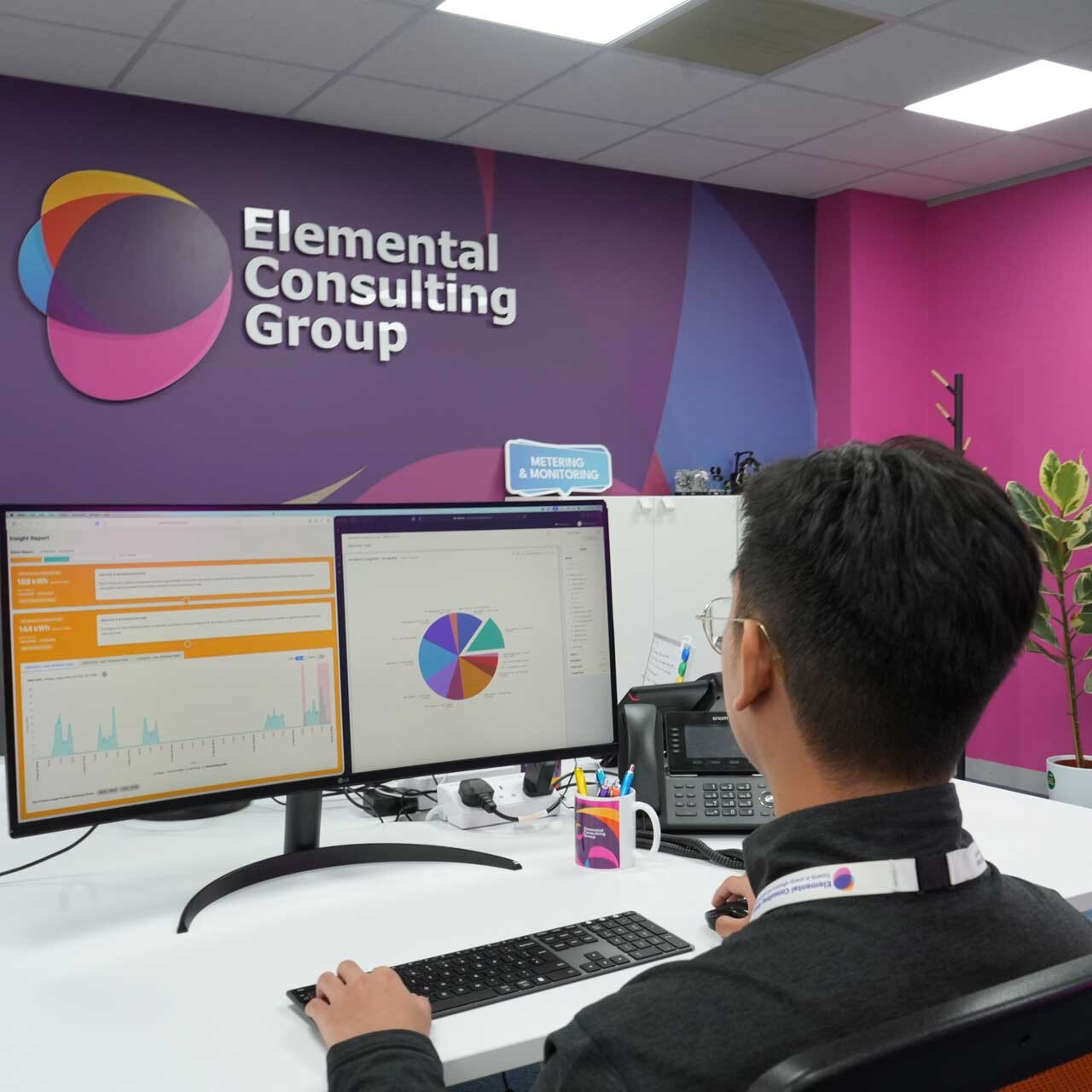




Energy audits are essential for organisations looking to improve efficiency and uncover opportunities to reduce their energy use. One of our experienced auditors will evaluate energy performance in detail, examining utility data alongside the operation of energy-consuming systems.
Whether your goal is to cut costs, lower carbon emissions or comply with schemes such as the Energy Savings Opportunity Scheme (ESOS), our comprehensive audit can highlight substantial savings potential in both electricity and fossil fuel use, typically in the region of 10% to 40%.
This means that our approach is not only technically robust but also aligned with the expectations of regulators, investors and stakeholders. Rather than simply delivering a report, we provide a structured, evidence-based assessment of energy performance that can be used to inform practical change. This includes analysing at least 12 months’ consumption, breaking usage down where applicable, and identifying practical opportunities to support investment decisions.
You'll be in good company
Some of the brands we work with

















- Level 1: Utility bill analysis, brief site walk-through, general recommendation
- Level 2: Detailed site survey, system evaluation (HVAC, lighting), data analysis, ROI-based recommendations
- Level 3: Advanced data modelling, monitoring, financial analysis, CAPEX planning
- Compliance audit: Energy assessment aligned to legislation, reporting and certification
- Targeted audit: Deep dive into a particular area, e.g. HVAC, compressed air or lighting
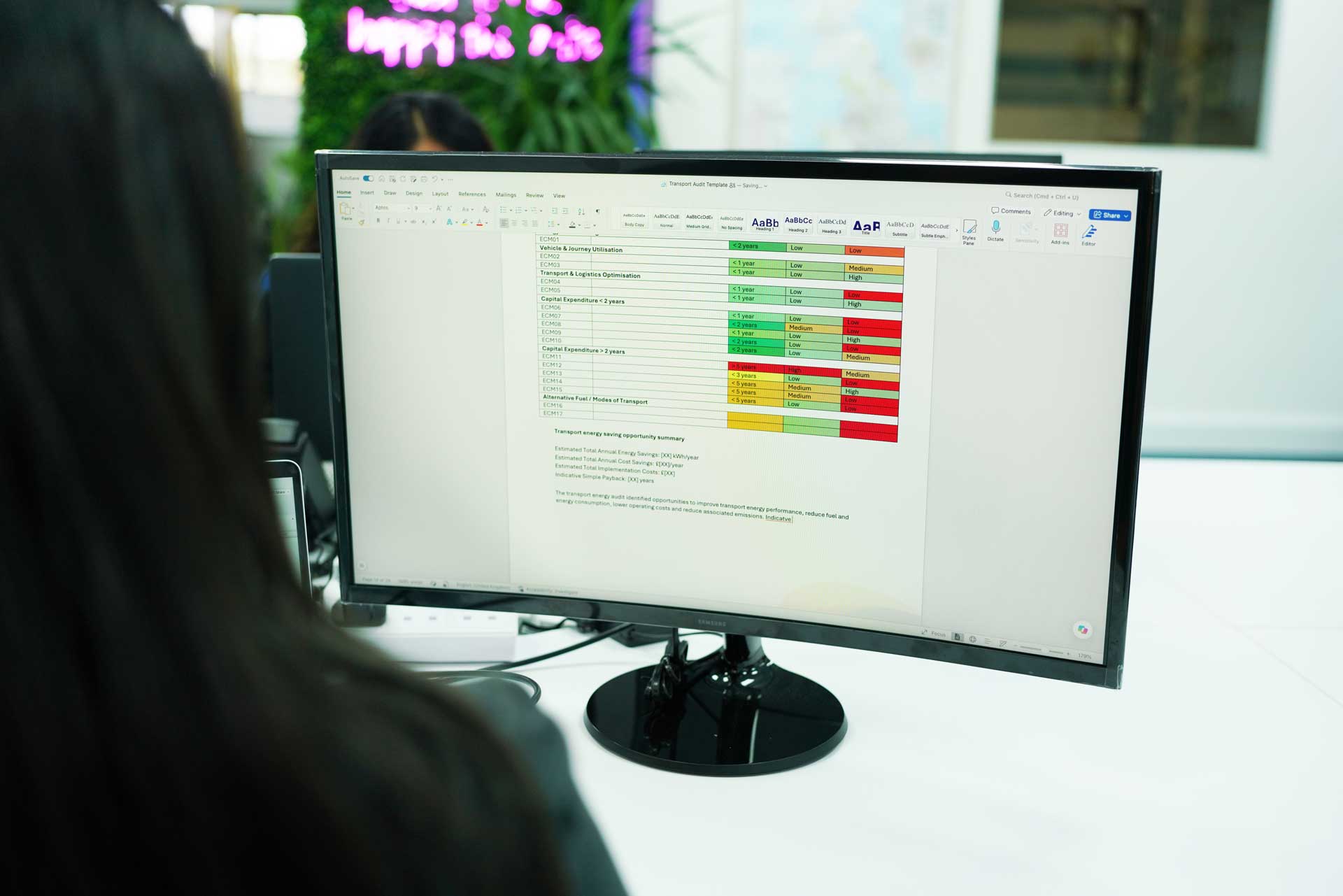
Our energy audits are grounded in globally recognised best practice, giving clients confidence in both compliance and commercial value. We follow methodologies set out by ISO 50002 and BS EN 16247, ensuring that we carry out every audit consistently, accurately, and with transparency.
Energy auditing process

Energy data analysis
We review your energy data, consumption trends and operational profile to establish an accurate baseline of performance.

Site & systems assessment
We perform a detailed on-site inspection of your building fabric, plant and energy-consuming systems, including HVAC, lighting and core operational equipment.

Efficiency & performance appraisal
We carry out an in-depth assessment of system performance to identify inefficiencies, energy losses, and opportunities for optimisation and modernisation.

Operational behaviour review
We evaluate how operational practices, control strategies and staff behaviours influence overall energy consumption and efficiency.

Actionable insights & reporting
We deliver a structured, prioritised report with clear, commercially focused recommendations to reduce energy costs, improve efficiency, and lower carbon emissions, including defined savings potential and payback considerations.
- CIBSE-accredited energy professionals
- Standards-led audit methodology
- Detailed energy data analysis
- On-site assessment of buildings and systems
- Identification of practical energy-saving opportunities
- Prioritised recommendations based on potential savings
- Clear, evidence-based reporting
- Support from audit through to implementation

Hear from our clients
Energy auditing FAQs
An energy audit is a detailed assessment of how energy is used across a building, site or organisation. It combines energy data analysis with site assessments to identify inefficiencies, energy-saving opportunities, and potential improvements to building systems and equipment.
An energy audit identifies where energy is being wasted, and which systems or processes may be underperforming. It provides practical recommendations for improving efficiency, reducing consumption and lowering energy costs, helping organisations to prioritise measures based on potential savings and operational impact.
An energy audit typically includes energy data analysis, site inspections, assessment of building services and equipment, identification of energy-saving opportunities, and recommendations for improvement. Depending on the scope, it can also include cost and savings estimates, implementation priorities, and performance monitoring.
Energy audits are one of the recognised routes for demonstrating ESOS compliance, subject to the requirements of the relevant ESOS phase. For Phase IV, organisations can use compliant energy audits as part of their assessment process, alongside other qualifying routes where applicable.
There’s no single frequency that suits every business. Larger or energy-intensive organisations may benefit from regular audits, while others may choose to audit if energy costs, operations or building systems change significantly. Ongoing energy monitoring can also help to identify when a more detailed audit is needed.