




From offices and branches to wider property portfolios, financial organisations often manage a diverse mix of buildings with different energy demands and performance. Doing this at scale can make it difficult to keep track of costs, compliance requirements and carbon emissions, particularly as expectations around sustainability continue to grow.
Our consultants, analysts and engineers can support you, helping to monitor your energy data and plan practical improvements to meet regulatory requirements. We work with you to improve the performance of your buildings, reduce unnecessary costs, and support your wider environmental goals across your properties.
You'll be in good company
Some of the brands we work with
















We offer a full range of energy and sustainability services to meet your specific needs and goals, backed by proven experience in your industry. Take a look at the support we offer for organisations in the finance sector.
Carbon reporting
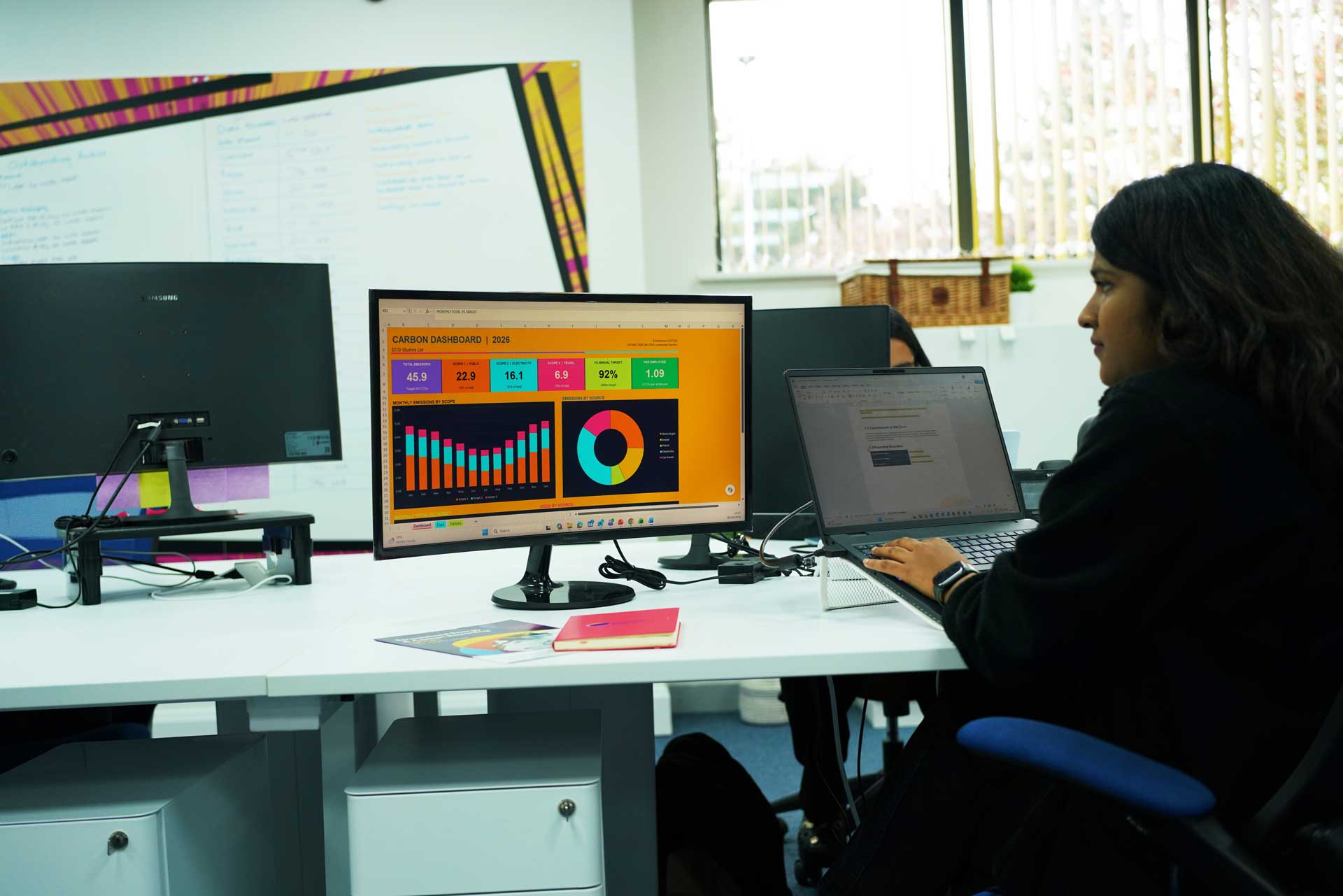
Accurate carbon reporting provides a clear picture of your emissions and progress. Our support helps you to produce consistent information for reporting requirements, carbon reduction, and wider sustainability goals.

Data management and reporting
Reliable energy data provides a clearer view of performance. We help you to collect, organise and report information consistently, supporting energy management, compliance, and informed decision making.
UK Sustainability Reporting Standards (SRS)
Understanding the information behind sustainability disclosures can be challenging. Our support covers relevant UK SRS requirements, data gaps and reporting processes, helping you to develop clear and consistent disclosures.

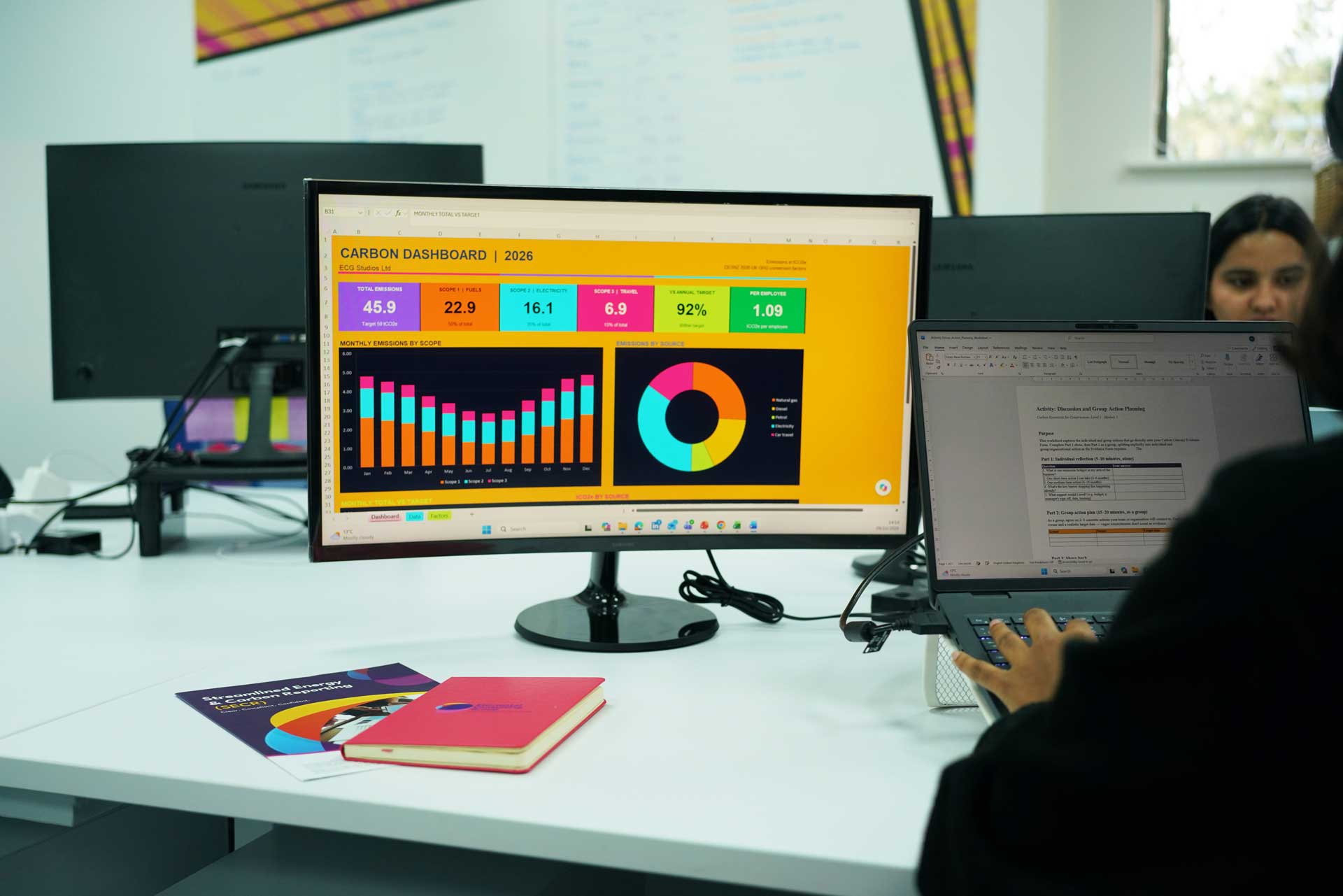
Streamlined Energy and Carbon Reporting (SECR)
Qualifying organisations need reliable energy and carbon information for SECR. We support data collection, validation and reporting, providing clear and accurate information for annual reporting requirements.

ESOS Phase IV
For organisations within ESOS requirements, our support covers energy assessments, data analysis and compliance. The process also identifies practical opportunities to reduce energy use, improve efficiency, and lower costs.
Smart energy devices
Smart energy devices can help to reduce unnecessary energy use by automating controls and monitoring equipment based on how and when it is used. We identify suitable applications and recommend practical solutions around your building, equipment and operating patterns.

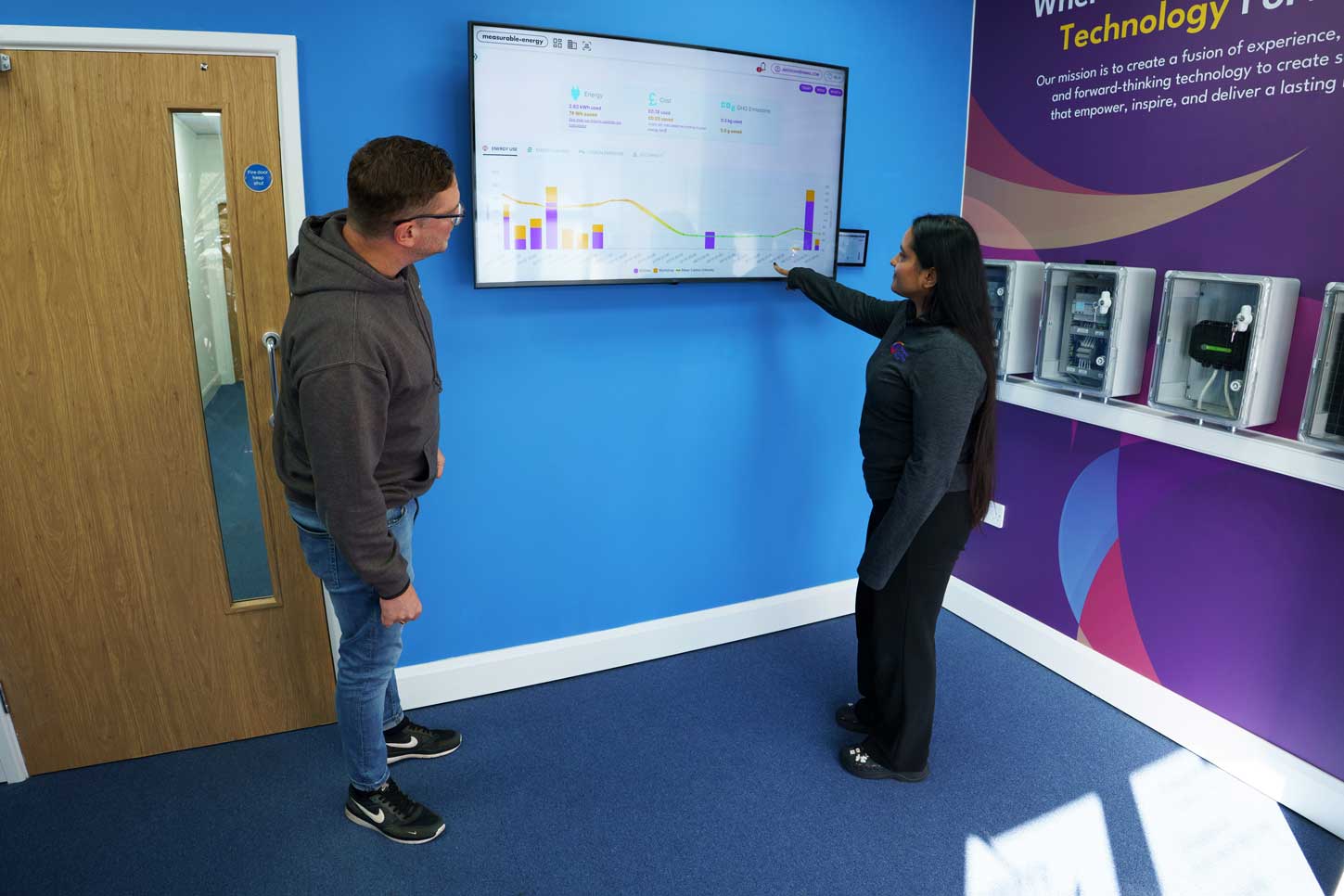
Metering and monitoring – Intelligence and insights
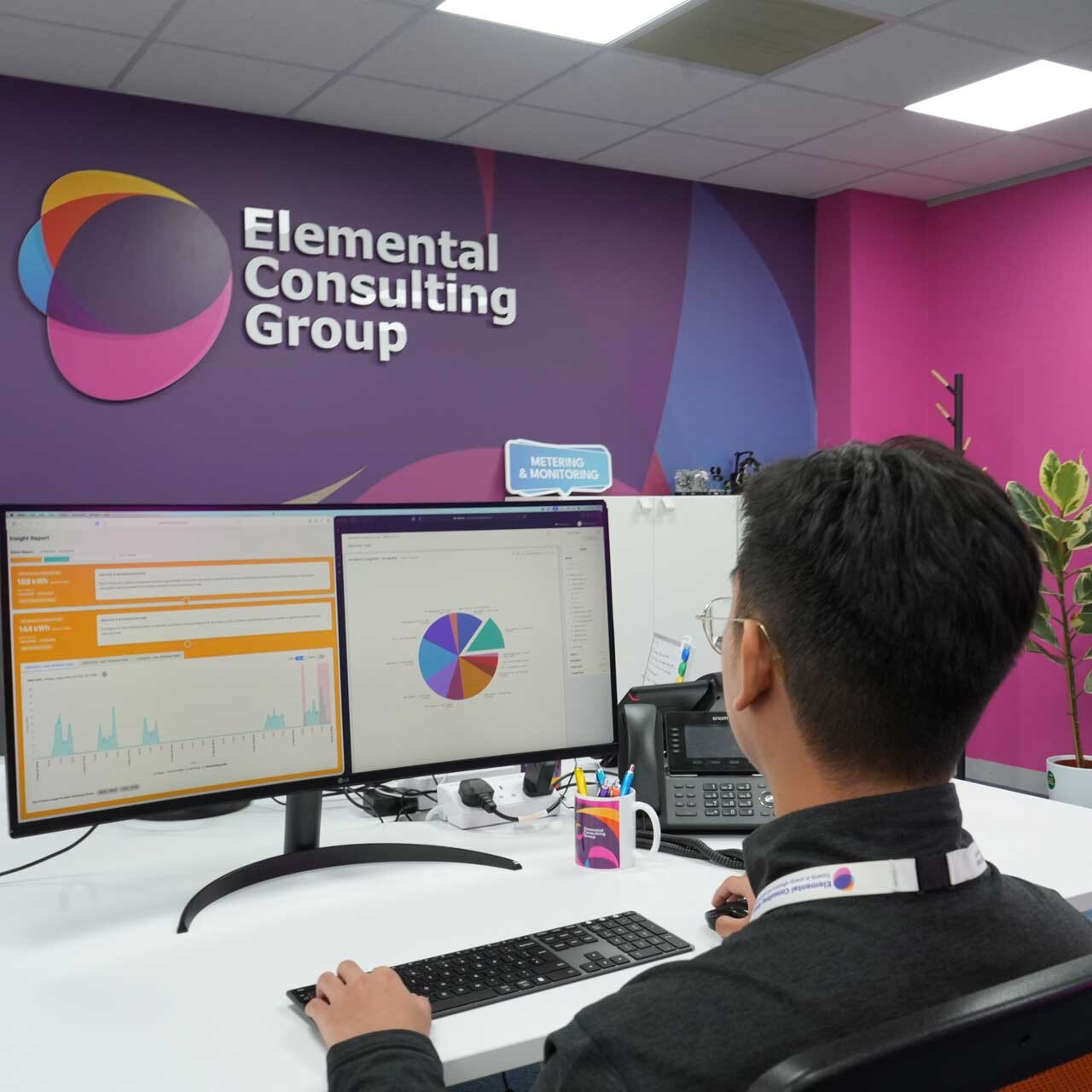
Turn energy data into actionable insight. We design and install intelligent metering systems that capture the data you need, then bring it to life through clear dashboards and visualisation. See energy use in real time, identify trends and issues, and make better-informed decisions across your buildings and sites.
Energy auditing
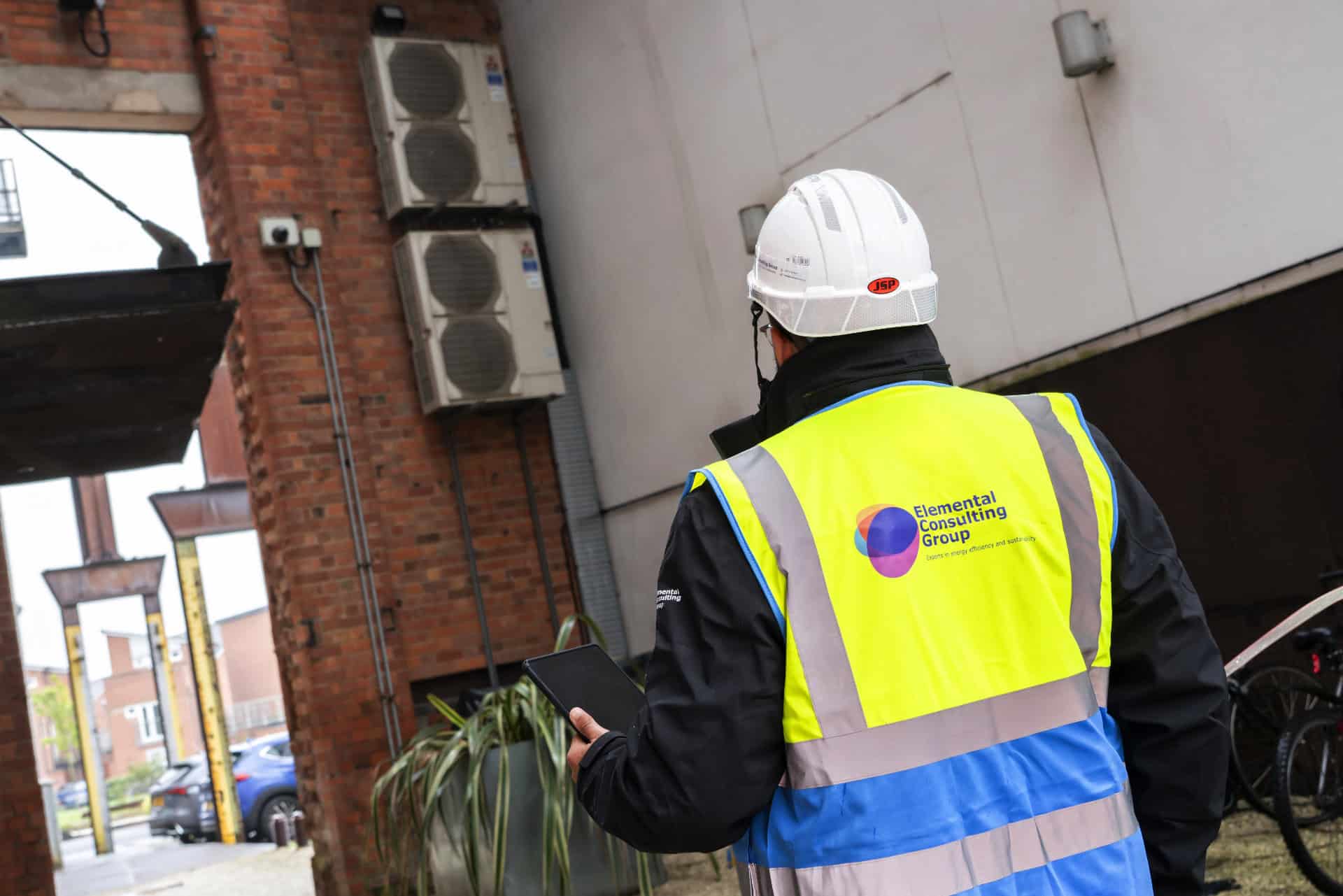
A detailed energy audit provides a clearer understanding of how energy is used across buildings, systems and operations. We identify inefficiencies and practical opportunities to improve performance and reduce costs.
Training and engagement
Practical training helps people to understand how their actions affect energy use, costs and carbon emissions. Our programmes encourage lasting changes in behaviour, and support wider energy and sustainability objectives.
Science-based target development
Credible emissions reduction targets need a robust evidence base and clear pathway. We support target development using SBTi requirements, helping to establish measurable goals aligned with climate science and your longer-term Net Zero plans.

Life Cycle Assessment (LCA)
Life cycle assessment provides insights into environmental impacts throughout a product’s stages of production, use and end-of-life. The findings can support product comparisons and improvements, as well as wider sustainability requirements.
- Financial services sector expertise
- CIBSE-accredited energy professionals
- Experience across office and multi-site estates
- Energy audits focused on measurable savings
- SECR and sustainability reporting expertise
- Data-led energy and carbon management expertise
- Clear, audit-ready reporting and calculations
- Practical solutions that minimise operational disruption
- Support from assessment through to implementation

Hear from our clients
Finance FAQs
Financial services organisations can reduce energy costs by improving building controls, optimising heating, cooling and lighting, monitoring consumption, and identifying avoidable energy use across offices and other sites.
Large financial services organisations may need to comply with ESOS Phase IV if they meet the relevant criteria on the 31 December 2026 qualification date. This includes having 250 or more UK employees, or annual turnover above £44 million and a balance sheet total above £38 million.
Qualifying financial services companies and LLPs may need to comply with SECR. This requires organisations to report their energy use, carbon emissions and energy efficiency measures as part of their annual reporting.
Financial services organisations may need an EPC when constructing, selling or letting commercial premises, or where significant changes are made to fixed heating, air conditioning or mechanical ventilation systems. EPC requirements depend on the building and circumstances, with some exemptions applying
Metering can give financial services organisations greater visibility of energy use across offices and sites. By tracking consumption and identifying unusual patterns, teams can spot energy waste, investigate underperforming areas, and target efficiency improvements. This can also help to monitor the impact of measures and support better energy and cost management.
Explore our metering performance, management and control service